
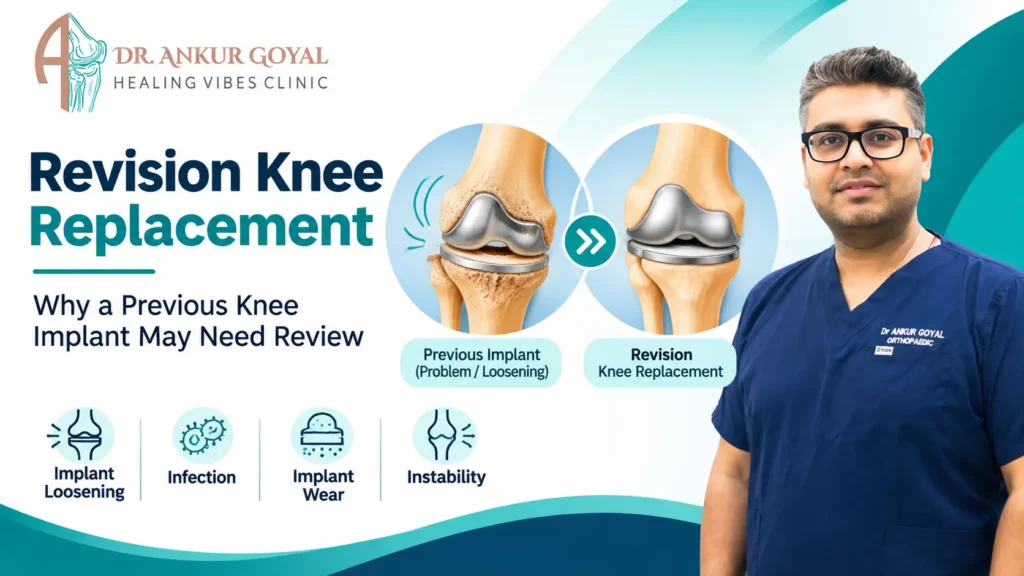
Revision Knee Replacement: Common Reasons a Previous Implant Needs Review
A knee replacement can help reduce pain and improve movement for many years. However, some patients develop new problems after their first surgery. They may notice pain, swelling, stiffness or difficulty walking again. In such cases, an orthopedic surgeon may need to check the artificial knee joint.
This assessment does not always mean another operation is necessary. Sometimes, medication, physiotherapy or other treatments can help. However, if the implant becomes loose, infected or unstable, the surgeon may consider revision knee replacement in Delhi.
Revision surgery involves repairing or replacing some or all parts of a previous knee implant. This article explains the common reasons for knee replacement failure, the warning signs and how surgeons assess the need for further treatment.
What Is Revision Knee Replacement?
Revision knee replacement is a second operation for patients who already have an artificial knee joint. During this procedure, the surgeon removes and replaces one or more parts of the existing implant.
The surgeon may replace only one component or the entire implant. The choice depends on the cause of the problem and the condition of the surrounding bone and soft tissues.
Unlike a first-time knee replacement, revision surgery often needs more detailed planning. For example, the surgeon may need to manage bone loss, address infection or use special implants to improve joint stability.
Therefore, the surgeon must identify the exact cause of the problem before recommending surgery.
Why Does a Previous Knee Replacement Need Review?
Several problems can affect an artificial knee over time. The most common reasons include implant loosening, infection, wear and joint instability.
1. Implant Loosening
Implant loosening occurs when the artificial joint loses its firm attachment to the surrounding bone. As a result, the patient may develop pain during standing, walking or other daily activities.
In some cases, the plastic part of the implant wears down over time. Small wear particles can also affect the surrounding bone. This process may weaken the bone and reduce implant stability.
However, not every loose implant needs immediate revision surgery. The surgeon first checks the symptoms, X-rays and overall joint condition.
2. Infection Around the Knee Implant
An infection can develop soon after knee replacement or even years later. It may cause pain, swelling, warmth, redness or discharge around the surgical area.
Some patients may also develop fever or feel unwell. Therefore, they should seek medical assessment if these symptoms appear.
The surgeon may recommend blood tests and a joint fluid test to check for infection. Depending on the findings, treatment may involve antibiotics, implant-related surgery or a staged revision procedure.
3. Implant Wear and Damage
Artificial knee components can wear down with regular use over time. The plastic spacer between the metal components may become thinner or damaged.
As a result, the knee may develop pain, swelling or reduced movement. In addition, implant wear can affect the surrounding bone.
The surgeon checks the implant and surrounding structures before deciding whether a component replacement or a complete revision is necessary.
4. Knee Instability
A knee implant needs proper support from the surrounding ligaments and soft tissues. If these structures become weak or unbalanced, the knee may feel unstable.
Patients may notice that the knee gives way while walking or climbing stairs. They may also feel unsure when putting weight on the operated leg.
In some cases, bracing or physiotherapy may help. However, the surgeon may consider revision surgery if the implant or soft tissue problem continues to affect knee function.
5. Stiffness or Fracture Around the Implant
Some patients continue to experience stiffness after their first knee replacement. Scar tissue, implant position or other joint problems may limit knee movement.
A fracture can also occur in the bone around an artificial knee, often after a fall. The surgeon checks the fracture, bone quality and implant stability before planning treatment.
What Symptoms Should You Watch For?
A previously replaced knee may need medical review if you notice:
- New or increasing pain in the operated knee.
- Swelling, warmth or redness around the joint.
- Difficulty bending or straightening the knee.
- A feeling that the knee is giving way.
- Pain while standing or walking.
- Reduced ability to perform everyday activities.
- Fever or discharge around the surgical wound.
However, these symptoms do not always indicate implant failure. Other conditions can cause similar problems. Therefore, an orthopaedic assessment is important.
Seek prompt medical care if you develop fever with a hot, red or swollen knee, wound discharge or sudden severe pain.
How Do Surgeons Diagnose Knee Replacement Failure?
Before recommending a redo knee replacement, the surgeon needs to understand why the existing implant is causing problems.
The assessment may include:
1. Medical history and examination: The surgeon asks about pain, swelling, previous surgery and changes in knee movement. The examination also checks joint stability and walking ability.
2. X-rays: These images help identify implant loosening, changes in alignment, bone loss and fractures around the artificial joint.
3. Blood tests: Tests such as ESR and CRP can help identify signs of infection.
4. Joint fluid testing: If the surgeon suspects infection, they may collect fluid from the knee for laboratory testing.
5. Additional imaging: In selected cases, the surgeon may recommend a CT scan or other imaging to assess bone damage and implant position.
As a result, these findings help the surgeon decide whether the patient needs further treatment or revision surgery.
Does Every Failed Knee Replacement Need Revision Surgery?
No. A patient does not always need another operation when they experience pain after knee replacement.
The surgeon first looks for the cause. For example, some patients may benefit from medication, physiotherapy, activity changes or other non-surgical treatments.
However, revision surgery may become an option when the implant has significant loosening, infection, damage or instability that affects joint function.
The surgeon also considers the patient’s general health, bone condition and treatment goals before making a recommendation.
Revision Knee Replacement in Delhi: Consultation with Dr. Ankur Goyal
Patients looking for a revision knee surgeon in Delhi should seek an assessment that focuses on the cause of their symptoms and the condition of the existing implant.
Dr. Ankur Goyal provides orthopedic care for knee and joint conditions at Healing Vibes Clinic, Geetanjali Enclave, Malviya Nagar, South Delhi. His qualifications include MBBS, MS and FISM Trauma and Joint Replacement Fellowship.
His website lists revision knee replacement among the available knee replacement treatment options. During a consultation, patients can discuss their symptoms, previous surgery records and investigation reports.
If you are considering revision knee replacement in South Delhi, bring your previous operation notes, implant details and recent X-rays to the consultation, if available.
You can also read more about Knee Replacement Treatment on the clinic website.
Frequently Asked Questions
1. What is revision knee replacement?
Revision knee replacement is a second operation that repairs or replaces some or all parts of a previous artificial knee joint.
2. What are the common reasons for knee replacement failure?
Common reasons include implant loosening, infection, implant wear, instability, stiffness and fractures around the artificial joint.
3. How do I know if my knee implant has become loose?
You may notice increasing pain, swelling or difficulty walking. However, X-rays and a clinical examination help the surgeon confirm implant loosening.
4. Is revision knee replacement more complex than the first surgery?
Yes. Revision surgery often needs more detailed planning because the surgeon may need to manage bone loss, infection or damaged soft tissues.
5. Can doctors treat an infected knee implant?
Yes. Treatment depends on the infection and implant condition. The surgeon may recommend antibiotics, surgery to clean the joint or a staged revision procedure.
6. How long does recovery take after revision knee replacement?
Recovery varies according to the patient’s health, bone condition, type of revision and rehabilitation plan. Some patients need a longer recovery period than they did after their first knee replacement.
Conclusion
A previous knee replacement may need review if pain, swelling, stiffness or instability develops. However, these symptoms do not always mean the implant has failed or that another operation is necessary.