
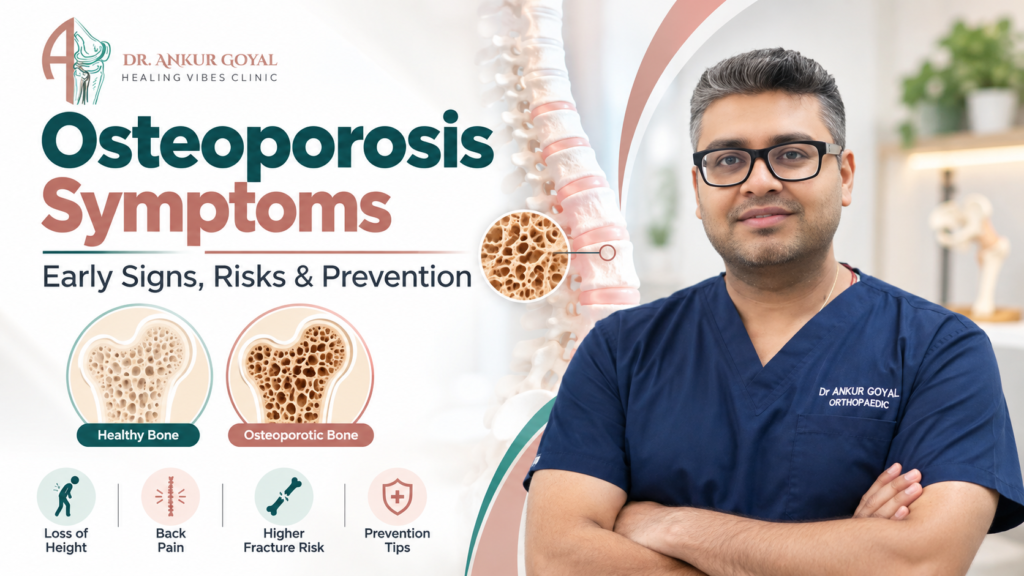
Osteoporosis Symptoms: Early Signs, Risks & Prevention in India
Osteoporosis symptoms are often difficult to notice in the early stages because bone loss usually occurs without pain or obvious warning signs. Osteoporosis weakens bones and increases the risk of fractures, particularly in the hip, spine and wrist. Understanding the risk factors, recognising possible warning signs and knowing when to consider a bone density test can help you make informed decisions about your bone health.
In India, factors such as nutritional deficiencies, physical inactivity, age-related changes and certain medical conditions can affect bone health. However, osteoporosis can develop for several reasons, and not everyone with weak bones experiences noticeable symptoms.
Recognising osteoporosis symptoms and understanding when to seek medical advice can help people take appropriate steps towards protecting their bones and reducing fracture risk.
What Is Osteoporosis?
Osteoporosis is a condition in which bone density and bone strength decrease, making bones more vulnerable to fractures. Healthy bones continuously break down old tissue and replace it with new tissue. When bone loss exceeds new bone formation over time, the bones can become weaker.
Osteoporosis commonly affects the hip, spine and wrist. A fracture involving the hip or spine can significantly affect mobility, independence and quality of life, particularly in older adults.
The condition is often called a silent disease because bone loss usually occurs without noticeable symptoms. You cannot reliably determine your bone strength simply by judging how you feel.
A medical assessment and a bone density test, when appropriate, can help identify osteoporosis and determine whether treatment is needed.
Osteoporosis Symptoms: What Are the Early Warning Signs?
Most people do not experience clear osteoporosis symptoms in the early stages. However, certain changes may indicate an existing fracture or another condition that requires medical attention.
1. Loss of Height
A noticeable reduction in height over time may be associated with compression fractures in the spine. These fractures can sometimes occur without a major accident or obvious injury.
2. Persistent or Sudden Back Pain
A vertebral fracture may cause sudden back pain or discomfort that persists during movement. Back pain has many possible causes, so a medical examination is necessary to identify the underlying problem.
3. Fractures After Minor Falls
A fracture following a fall from standing height or another relatively minor incident may indicate reduced bone strength, particularly in older adults.
4. Changes in Posture
A progressively rounded upper back or stooped posture can sometimes develop following fractures of the vertebrae.
5. Repeated Fractures
Fractures that occur more easily than expected should not be ignored. They may warrant an assessment of bone density and other factors affecting bone health.
These signs do not confirm osteoporosis on their own. If you suspect a fracture, experience severe pain after an injury or cannot bear weight following a fall, seek prompt medical attention.
What Causes Osteoporosis?
Osteoporosis can develop because of a combination of age, hormonal changes, genetics, lifestyle habits and medical factors.
| Risk factor | How it affects bone health |
|---|---|
| Increasing age | Bone loss and fracture risk generally increase with age. |
| Menopause | Reduced oestrogen levels can accelerate bone loss. |
| Family history | A family history of osteoporosis or hip fractures can increase risk. |
| Low calcium intake | Inadequate calcium intake can affect the maintenance of healthy bones. |
| Vitamin D deficiency | Vitamin D helps the body absorb calcium. |
| Low body weight | Being underweight may be associated with lower bone mass. |
| Physical inactivity | Limited weight-bearing exercise and muscle strengthening can affect bone and muscle health. |
| Smoking | Smoking is associated with poorer bone health. |
| Certain medicines | Long-term use of glucocorticoids can contribute to bone loss. |
| Medical conditions | Some hormonal, digestive, kidney and inflammatory conditions can affect bones. |
Having one or more risk factors does not necessarily mean you have osteoporosis. A healthcare professional can assess your overall risk and determine whether further investigations are appropriate.
Osteoporosis in India: The Role of Vitamin D, Calcium and Diet
A balanced diet, adequate physical activity and appropriate management of nutritional deficiencies support healthy bones. Calcium and vitamin D are particularly important.
Vitamin D and Bone Health
Vitamin D helps the body absorb calcium and supports normal bone mineralisation. A deficiency can contribute to bone problems, but it is only one of several possible factors associated with osteoporosis.
Vitamin D levels may be influenced by time spent outdoors, clothing, diet, age, medical conditions and other individual factors. Sun exposure alone does not guarantee adequate vitamin D levels.
A doctor may recommend a blood test when your medical history, symptoms or risk factors suggest a deficiency. Avoid taking high-dose vitamin D supplements without appropriate medical advice.
Calcium-Rich Foods in an Indian Diet
Common dietary sources of calcium include:
- Milk, curd and other dairy products.
- Calcium-fortified foods.
- Ragi and selected other grains.
- Tofu prepared with calcium salts.
- Certain leafy green vegetables.
- Some nuts, seeds and legumes.
Calcium content and absorption vary between foods. A varied diet that meets individual nutritional needs is generally more useful than relying on a single food.
People who avoid dairy can discuss suitable alternatives with a registered dietitian or healthcare professional. Calcium supplements may be appropriate when dietary intake is insufficient, but they are not necessary for everyone.
Adequate protein also matters because it supports muscle strength, mobility and recovery.
When Should You Get a Bone Density Test?
A bone density test, commonly called a DXA or DEXA scan, measures bone mineral density. It usually assesses the hip and spine and helps identify osteoporosis and estimate fracture risk.
You should discuss a bone density assessment with your doctor if you:
- Are a woman aged 65 or older.
- Are postmenopausal and have additional osteoporosis risk factors.
- Are an older man with risk factors for weak bones or fractures.
- Have experienced a fracture after a minor fall or low-impact injury.
- Have lost noticeable height or may have a vertebral fracture.
- Have used glucocorticoid medicines long-term.
- Have a medical condition associated with bone loss.
The appropriate age and timing for testing depend on individual risk and applicable clinical guidance. Not everyone needs a bone density scan, and a normal result does not eliminate every future fracture risk.
Your doctor will interpret the results alongside your medical history, previous fractures and other clinical findings. Further tests or treatment may be recommended depending on the findings.
For additional medically reviewed information about osteoporosis, its risk factors and treatment, visit the National Institute of Arthritis and Musculoskeletal and Skin Diseases (NIAMS).
How to Prevent Osteoporosis and Protect Bone Health
Although some risk factors cannot be changed, practical steps can help maintain bone and muscle health.
Eat a Balanced Diet
Include calcium-containing foods and adequate protein in your daily diet. If you have dietary restrictions, digestive problems or a medical condition affecting nutrition, seek personalised advice.
Maintain Adequate Vitamin D
Discuss testing or supplementation with a healthcare professional when appropriate. The right approach depends on your individual circumstances, and excessive supplementation can be harmful.
Stay Physically Active
Weight-bearing activities, such as walking, and suitable resistance exercises can support bone and muscle health.
If you already have osteoporosis, a previous fracture, balance problems or significant pain, ask about a safe exercise programme before starting new activities.
Reduce the Risk of Falls
Keep walking areas clear, use adequate lighting, wear appropriate footwear and address vision or balance problems. Handrails and other home-safety measures may help people at higher risk.
Avoid Smoking
Smoking is associated with poorer bone health. Avoiding tobacco is an important part of maintaining overall health.
Review Medicines and Medical Conditions
Some medicines and underlying conditions can contribute to bone loss. Discuss your medical history and prescribed medicines with your doctor. Do not stop a prescribed medicine without medical advice.
What Is the Treatment for Osteoporosis?
Osteoporosis treatment depends on bone density, fracture history, age, medical conditions and overall fracture risk.
Management may include nutritional support, appropriate exercise, fall prevention and prescription medicines for people who need them. Some medicines slow bone breakdown, while other treatments help build bone in selected patients.
Calcium and vitamin D support bone health when needed, but supplements alone are not sufficient treatment for every person with established osteoporosis.
People who have sustained a fragility fracture should receive an appropriate assessment because preventing another fracture is an important part of long-term care.
If you have sustained a fracture or need an assessment for a suspected bone injury, explore orthopaedic trauma and fracture repair services in Delhi.
When Should You Consult an Orthopaedic Specialist?
Consider medical assessment if you experience persistent back pain alongside osteoporosis risk factors, a fracture following a minor fall, repeated fractures or a suspected injury involving the hip, wrist or spine.
Severe hip pain or an inability to stand or walk after an injury requires urgent medical attention.
An orthopaedic specialist can assess a suspected injury, arrange appropriate imaging and advise whether further bone-health evaluation is needed. Depending on the cause and severity of osteoporosis, care may also involve other healthcare professionals.
For more information about injury assessment and fracture management, visit the orthopaedic trauma and fracture repair service page.
Frequently Asked Questions About Osteoporosis
What are the early symptoms of osteoporosis?
Osteoporosis often has no noticeable early symptoms. Height loss, a stooped posture, back pain caused by a possible vertebral fracture or a fracture after a minor fall may be warning signs that require assessment.
Can vitamin D deficiency cause weak bones?
Vitamin D deficiency can impair calcium absorption and contribute to bone problems. However, osteoporosis has multiple causes, and vitamin D deficiency alone does not explain every case.
Which test detects osteoporosis?
A DXA or DEXA scan measures bone mineral density, usually at the hip and spine. A doctor determines whether testing is appropriate based on age, risk factors and medical history.
Which Indian foods support bone health?
Milk, curd, fortified foods, ragi, calcium-set tofu, selected leafy greens and other calcium-containing foods can contribute to calcium intake. Adequate protein and vitamin D are also important.
Can osteoporosis be treated?
Yes. Treatment can help reduce fracture risk and may improve bone density in some people. The appropriate plan depends on the severity of the condition, fracture history and individual health needs.
Does everyone over 50 need a bone density test?
No. Testing recommendations depend on age, sex, menopause status, previous fractures, medical conditions and other risk factors. Discuss your individual risk with a healthcare professional.
Conclusion
Osteoporosis can develop silently, making it difficult to recognise before a fracture occurs. Understanding osteoporosis symptoms, maintaining a balanced diet, staying physically active, reducing falls and getting a bone density assessment when indicated can help protect bone health.
If you have experienced a fracture after a minor fall, unexplained height loss or persistent back pain alongside osteoporosis risk factors, seek medical advice rather than ignoring the symptoms.
For suspected fractures and other orthopaedic injuries, explore Dr. Ankur Goyal’s orthopaedic trauma and fracture repair services in Delhi.
Medical Disclaimer
This article is for educational purposes only and does not replace professional medical advice, diagnosis or treatment. Testing and treatment decisions should be based on an individual clinical assessment.
About the Author
Dr. Ankur Goyal — Orthopaedic Specialist
Dr. Ankur Goyal holds MBBS and MS qualifications and has completed a Trauma & Joint Replacement Fellowship in Sports Medicine and Arthroscopy Surgery. His clinical interests include joint replacement, sports injuries, arthroscopy and orthopaedic trauma care.
This article provides general educational information about osteoporosis, bone health and fracture prevention. Individual diagnosis and treatment recommendations require a clinical consultation.
Explore More About Orthopaedic Care
Every bone and joint condition requires appropriate evaluation and care. Explore these related services to learn more about fracture management and treatment options for certain joint conditions.
- Orthopaedic Trauma & Fracture Repair in Delhi — Learn about fracture assessment, treatment options and recovery after a bone injury.
- Knee Replacement Treatment — Understand treatment options for advanced knee joint damage.
- Hip Replacement Treatment — Explore hip replacement for certain hip joint conditions.
More Orthopaedic Reads
Continue exploring our orthopaedic resources to learn more about common knee injuries and their treatment options.
- Meniscus Tear Symptoms & Treatment — Learn about meniscus injuries, diagnosis and treatment.
- Arthroscopy & ACL/PCL Treatment — Explore knee ligament injuries and arthroscopic treatment options. ab
Need an Orthopaedic Consultation?
If a suspected fracture, persistent joint pain or an injury is affecting your daily activities, seek an appropriate medical assessment.
Visit Dr. Ankur Goyal’s website for contact and appointment information.